
In the ever-evolving landscape of digital marketing, staying ahead in search engine rankings is a critical goal for businesses and outreach

Understanding the Basics of Links Links are one of the cornerstones of SEO and play a crucial role in how well your website ranks in search engines. Whether you’re adding links to your own blog posts or earning backlinks from other websites, the type of link you use can significantly impact your website’s growth. There are two main types of links you’ll encounter: DoFollow and NoFollow. While the difference between them may seem small, it can have a major effect on your SEO strategy. Let’s break it down. What Are DoFollow Links? A DoFollow link is the standard type of link that allows Google (and other search engines) to crawl, index, and transfer SEO authority—often called “link juice.” Unlike NoFollow links, DoFollow links don’t contain any special HTML attributes. For example: <a href="https://www.bubbleseo.com">Bubble SEO</a> When a reputable website links to you with a DoFollow link, Google interprets that as a vote of confidence. The higher the authority of the linking website, the more positive the effect on your own site’s rankings. For example, if a high-authority site like Moz or Ahrefs includes your link in an article, that trust signals to search engines that your content is valuable and credible. What Are NoFollow Links? A NoFollow link tells search engines not to pass authority to the linked website. In HTML, it looks like this: <a href="https://www.bubbleseo.com" rel="nofollow">Bubble SEO</a> While NoFollow links don’t transfer link juice, they are far from useless. They still allow users to click through and visit your site. More importantly, they make your link profile look natural—because not every backlink should be DoFollow. NoFollow links are commonly used for: Paid advertisements Affiliate links Blog comments User-generated content on forums For example, if you post a link on Reddit or Wikipedia, it will almost always be a NoFollow link. Even though it won’t directly boost SEO authority, it can still drive traffic, build brand awareness, and diversify your backlink profile. Why You Need Both DoFollow and NoFollow Links Many people make the mistake of thinking only DoFollow links matter. While they are essential for building domain authority, relying on them alone can make your backlink profile look unnatural. A healthy SEO strategy includes both types of links: DoFollow links: Boost domain authority and rankings. NoFollow links: Drive referral traffic, build authenticity, and signal to Google that your link-building strategy is natural. Google values authenticity. If all your backlinks are DoFollow, it may look suspicious—potentially raising red flags about manipulative link building. A mix of DoFollow and NoFollow links helps protect your site and ensures long-term growth. Conclusion: Building a Balanced Link Profile When building links for your website, always aim for a natural and balanced mix of DoFollow and NoFollow links. Overusing the same anchor text or stuffing too many links into your content can harm your rankings instead of improving them. At the end of the day, both types of links play a vital role in your SEO strategy. DoFollow links help with authority and rankings, while NoFollow links build authenticity and drive valuable referral traffic. If you’d like expert help creating SEO-friendly content and building a strong backlink profile, explore our content writing services at Bubble SEO. Our professional copywriting team is ready to help you grow your business with content that ranks.
Understanding the Basics of Links
Links are one of the cornerstones of SEO and play a crucial role in how well your website ranks in search engines. Whether you’re adding links to your own blog posts or earning backlinks from other websites, the type of link you use can significantly impact your website’s growth.
There are two main types of links you’ll encounter: DoFollow and NoFollow. While the difference between them may seem small, it can have a major effect on your SEO strategy. Let’s break it down.
What Are DoFollow Links?
A DoFollow link is the standard type of link that allows Google (and other search engines) to crawl, index, and transfer SEO authority—often called “link juice.”
Unlike NoFollow links, DoFollow links don’t contain any special HTML attributes. For example:
<a href=”https://www.bubbleseo.com”>Bubble SEO</a>
When a reputable website links to you with a DoFollow link, Google interprets that as a vote of confidence. The higher the authority of the linking website, the more positive the effect on your own site’s rankings.
For example, if a high-authority site like Moz or Ahrefs includes your link in an article, that trust signals to search engines that your content is valuable and credible.
What Are NoFollow Links?
A NoFollow link tells search engines not to pass authority to the linked website. In HTML, it looks like this:
<a href=”https://www.bubbleseo.com” rel=”nofollow”>Bubble SEO</a>
While NoFollow links don’t transfer link juice, they are far from useless. They still allow users to click through and visit your site. More importantly, they make your link profile look natural—because not every backlink should be DoFollow.
NoFollow links are commonly used for:
For example, if you post a link on Reddit or Wikipedia, it will almost always be a NoFollow link. Even though it won’t directly boost SEO authority, it can still drive traffic, build brand awareness, and diversify your backlink profile.
Why You Need Both DoFollow and NoFollow Links
Many people make the mistake of thinking only DoFollow links matter. While they are essential for building domain authority, relying on them alone can make your backlink profile look unnatural.
A healthy SEO strategy includes both types of links:
Google values authenticity. If all your backlinks are DoFollow, it may look suspicious—potentially raising red flags about manipulative link building. A mix of DoFollow and NoFollow links helps protect your site and ensures long-term growth.
Conclusion: Building a Balanced Link Profile
When building links for your website, always aim for a natural and balanced mix of DoFollow and NoFollow links. Overusing the same anchor text or stuffing too many links into your content can harm your rankings instead of improving them.
At the end of the day, both types of links play a vital role in your SEO strategy. DoFollow links help with authority and rankings, while NoFollow links build authenticity and drive valuable referral traffic.
If you’d like expert help creating SEO-friendly content and building a strong backlink profile, explore our content writing services at Bubble SEO. Our professional copywriting team is ready to help you grow your business with content that ranks.
Grow your business online with content marketing solutions from Bubble SEO today.
Place An Order
In the ever-evolving landscape of digital marketing, staying ahead in search engine rankings is a critical goal for businesses and outreach

SEO used to be easy to explain. You ranked well, people clicked, traffic increased. Over time, you refined what worked and doubled down. While that model still exists, it no longer reflects how many people use search. Today, a growing number of users get what they need directly from Google’s results page and move on without visiting a website. No click, no session, no obvious signal that your content played a role at all.These interactions are known as zero-click searches, and although they often cause frustration, they are better viewed as a change in behaviour rather than a failure of SEO. What Are Zero-Click Searches? Zero-click searches are essentially increasing but also potentially damaging to those who are specifically trying to grow but are not summarising seamlessly or winning visibility. These kinds of searches are becoming more common as users find what they need through Google’s surfacing of information through featured snippets, knowledge panels, local maps results, or People Also Ask boxes. This is especially common for informational queries and mobile searches, where speed matters more than depth. According to analysis from Ahrefs, Google’s expanding use of SERP features has led to a noticeable rise in searches that end without a user clicking through, mainly where intent can be satisfied quickly. For brands, this means visibility does not always translate into traffic, but it still carries value. Being present, clearly, and consistently, is now part of the outcome. Why Zero-Click Searches Are Increasing Google’s priorities offer a clear explanation, with a devoted focus to reducing friction and delivering only the most relevant answer instantly. This approach is reflected in Google’s own documentation on featured snippets and search result appearance, where clarity and usefulness are consistently emphasised. Search behaviour has also changed. Many queries today are short, functional, and often voice-led. People are not always looking to research. Sometimes they simply want confirmation, a definition, or a quick answer. In those cases, a full article is unnecessary. At the same time, Google has become far better at understanding intent. It can usually determine whether a search requires depth or a brief response, and when it is confident, it keeps the user on the SERP. Why Visibility Still Matters Without the Click It is tempting to see zero-click searches as lost opportunities, but that view focuses too narrowly on immediate traffic. When people keep seeing a brand pop up in featured snippets or other knowledge panels, it starts to feel familiar, even if they don’t click right away. That repeated visibility helps them connect the brand with the topic, and over time, that familiarity turns into trust. Later, when they’re searching with a clearer intent to buy or compare options, that trust often nudges them toward the brand they’ve already “seen around.” In that way, zero‑click visibility isn’t wasted. It plays an early but important role in the customer journey by putting your brand in front of people before they’re even ready to engage. It is less about conversion and more about presence. How Brands Can Still Win Visibility Clarity is one of the biggest differentiators in a zero-click environment. Content that answers questions directly, uses clear structure, and avoids unnecessary padding is far more likely to be surfaced by Google. Research from Sistrix shows that featured snippets are often awarded to pages that explain things more clearly than competitors, not those that are simply longer. Brand strength also plays a growing role. Zero-click behaviour affects generic searches far more than branded ones. When users search for a company by name, they usually intend to visit the site. Investing in brand visibility through content, PR, and consistent messaging therefore helps protect organic performance over time. This idea is reinforced by guidance from HubSpot, which highlights how sustained brand exposure increases recognition, trust, and future buying decisions, even when engagement is not immediate. It also helps to think of the results page itself as a branding surface. Meta titles, descriptions, and naming conventions need to communicate credibility quickly. Even without a click, a strong SERP presence increases the likelihood that users will return when their intent changes. Depth still matters too. If a page can be summarised in a single sentence, Google will often do that itself. Content that includes real insight, experience, or original thinking is much harder to replace. Case studies, expert commentary, and in-depth guides continue to earn authority, links, and long-term visibility. A New Angle: Measuring SEO Traditional SEO metrics need more context as zero-click searches become more common. Clicks do truly matter but they are not the be all and end all of the story. Impressions, branded search growth, repeat visibility, and assisted conversions give a clearer picture of how SEO actually supports the wider marketing journey. The value of SEO becomes more pronounced even if a conversion to clicks is not completely guaranteed. Therefore, instead of simply pouring all of your energy into clicks, it’s important to create content that helps users to discover and engage with your brand over time. Specifically pointed out by The Content Marketing Institute, both influence and visibility should be measured in addition to traffic. This is incredibly important now that content, SEO, and brand strategy is so crucial. Final Thoughts Zero-click searches are not a threat to SEO. They reflect how people search today and how Google chooses to respond. Brands that focus only on traffic risk missing how trust, authority, and awareness are built directly on the results page. Those that adapt, and treat visibility as valuable, are far better placed to succeed. SEO has not disappeared. It has simply moved closer to the searcher.

In the digital age, content marketing remains a cornerstone of successful online business strategies. By creating valuable, relevant, and consistent content, businesses can engage their audiences, drive website traffic, and boost sales. Whether you’re a seasoned marketer or just beginning your journey, mastering content marketing requires the right tools and techniques. Let’s explore some essentials that can help elevate your content marketing efforts. Understanding Content Marketing Fundamentals Content marketing isn’t just about producing blog posts or social media updates. It’s about delivering the right message to the right audience at the right time. To achieve this, you need a clear strategy. Here are the steps to ensure your content strategy is effective: Define Your Goals: What do you want to achieve? Increased traffic, higher engagement, or more leads? Know Your Audience: Use tools like Google Analytics to understand audience demographics and behaviour. Choose Your Platforms: Focus on where your audience spends the most time—be it LinkedIn, Instagram, or your blog. Essential Content Marketing Tools To stay ahead in a competitive digital landscape, leveraging the right tools is crucial. Here are some must-haves: SEO Tools Google Keyword Planner: Discover high-performing keywords to create targeted content. SEMRush: Analyse competitors and uncover content opportunities. Content Creation Canva: Design engaging visuals without needing advanced graphic design skills. Grammarly: Ensure your content is polished and error-free. Content Management WordPress: Manage your blog and website seamlessly. Bubble SEO: Take advantage of professional guest posting, content writing, and link-building services to amplify your marketing efforts. Social Media Scheduling Hootsuite: Schedule and analyse social media posts across platforms. Buffer: Manage your posting schedule efficiently to maximize reach. Techniques to Perfect Your Content Marketing Strategy Prioritise Quality Over QuantityIt’s better to post one high-quality article per week than several mediocre ones. Focus on providing value to your audience. Optimise for SEOEvery piece of content should be optimised for search engines. Use relevant keywords, meta descriptions, and engaging headlines to improve visibility. For expert advice, visit Bubble SEO. Leverage AnalyticsRegularly analyse your content’s performance using tools like Google Analytics. Track metrics such as page views, time on site, and conversion rates to refine your strategy. Experiment with Different FormatsDon’t limit yourself to blogs—explore videos, podcasts, infographics, and webinars to diversify your content and reach new audiences. Future-Proof Your Content Strategy As trends in digital marketing evolve, staying adaptable is key. Keep an eye on developments in artificial intelligence (AI), voice search, and interactive content. By doing so, you’ll maintain a competitive edge in an ever-changing landscape. If you’re ready to take your content marketing to the next level, explore the bespoke services offered by Bubble SEO. Their tailored solutions will ensure your content reaches the right audience at the right time, driving results that matter. Content marketing is an art and a science. By combining the right tools, techniques, and insights, you can create a strategy that not only captures attention but also fosters long-term growth for your business.

A content marketing plan is an important tool to help grow your business and increase sales.
Creating engaging and optimised content is crucial for driving traffic and achieving higher rankings on search engines.
Effective keyword targeting is the cornerstone of successful content marketing. By strategically incorporating the right keywords, you can enhance your SEO, drive traffic, and improve your overall content performance.
We're excited to announce that AI Guest Posts has undergone a transformative rebranding and is now known as Bubble SEO. This strategic move has allowed the business to develop within the digital landscape and highlight our commitment to providing digital marketing solutions tailored to enhance online visibility and engagement for our customers. Bubble SEO remains dedicated to delivering high-quality, targeted content and effective SEO solutions that align with evolving digital marketing trends. Here is a little more information about our brand and its services. Our services: At Bubble SEO, we specialise in three core services, with content writing being a new feature to the website: Guest Posting: Which aims to enhance your online presence with high-quality guest posts on authoritative websites, driving traffic and boosting your SEO rankings. Link Building: Helps build a robust backlink profile with strategic link building services that improve your website's authority and visibility. Content Writing: Provides engaging content for your audience with compelling content tailored to your brand voice and SEO needs. Benefits of Bubble SEO: We have now made changes to the booking process to simplify this, and updated the customer dashboard section in the hope to improve our existing values below: Enhanced Service Quality: With our rebranding comes a renewed focus on delivering top-notch services that exceed your expectations. Improved User Experience: Our new website offers a streamlined interface, making it easier for you to navigate and access our services. Expanded Network: Benefit from our expanded network of partner websites, ensuring broader outreach and better opportunities for your business. Loyalty Rewards: As a token of our appreciation for the continued support of our bookers, we have now introduced loyalty rewards: Exclusive Discounts: Enjoy special discounts as a loyal Bubble SEO customer, with the more points you acquire, the more exciting offers you will unlock. We're thrilled about this new chapter as Bubble SEO and look forward to continuing to be your trusted partner in achieving your digital marketing goals. Stay tuned for more exciting updates and announcements! Discover the new Bubble SEO and elevate your online presence today! Jennifer Hobson – Digital Marketing [email protected] Heather Ryan – Business Development [email protected]
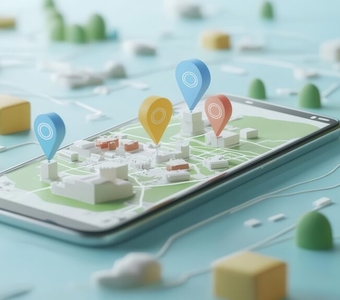
If your business depends on local customers, you probably do not need more traffic. You need the right traffic. That is an important distinction, and it is where a lot of SEO efforts go slightly off track. It is easy to focus on bigger numbers, bigger reach, or broader keywords. But if someone finds you from the other side of the country and cannot use your service, it does not help much. Local link building is one of the quieter ways to fix that. It helps search engines connect your business to a specific place, so you show up where it matters. It is not especially complicated, but it does work best when you approach it in a grounded, realistic way. Why local links matter more than people think There is a tendency to treat all links the same, as though they carry equal weight. Context plays a big role. If a website based in your area mentions your business, that tells Google something quite specific. It suggests a relationship, or at the very least a shared location. That is often more useful than a generic link from a completely unrelated site. Google has been clear for years that links are a key ranking factor, as outlined in its SEO Starter Guide. What is less obvious is how much extra value those links can carry when they are tied to a location. Over time, these signals start to build up. You appear in the right places, you get referenced locally, and gradually it becomes clearer where your business belongs in search results. Directories are useful, but only up to a point Most businesses start with directories, which makes sense. They are easy to find, quick to set up, and give you an immediate presence. Sites like Yell or Thomson Local still have a role to play, particularly in the UK. They act as a sort of baseline. If your business is not listed anywhere, it can look a bit thin. That said, trying to list your business everywhere rarely helps. A handful of solid, accurate listings is usually enough. The details are what matter. Your name, address, and phone number need to match exactly across platforms. Not roughly, not almost, but exactly. It might sound minor, but inconsistencies here can dilute the signal you are sending. Moz goes into this in more detail in its local SEO guide, and it is something that still catches people out. So by all means use directories, just do not let them become the whole strategy. The links you earn without trying too hard Some of the best local links are not planned in the traditional SEO sense, they come from things you are already doing. Working with another local business, supporting an event, sponsoring a team, even being mentioned by a supplier. These kinds of links tend to be more natural, and that matters. They do not look forced because they are not. There is a reason behind them. From an SEO point of view, that tends to make them stronger. From a practical point of view, they are also harder for competitors to copy. There is also a bit of a longer-term benefit. When you build relationships locally, those links often lead to other opportunities. More mentions, more visibility, sometimes even referrals. It is a slower approach, but usually a steadier one. Local press is not as out of reach as it seems A lot of businesses rule this out too quickly. There is a perception that you need a big story to get coverage, but local publications are often looking for smaller, relevant updates. Things that matter to people in the area. That could be a milestone, a launch, or involvement in something community-based. It does not have to be groundbreaking, just genuine. When you do get coverage, the link tends to be more valuable. It sits within an article, on a site people trust, with some context around it. Ahrefs explains the impact of these kinds of links in its link building guide, particularly when they come from editorial content rather than listings. There is also the added benefit of being seen. Not just ranked, but actually noticed. Writing content that feels local This is one of the simplest things to overlook. Content that focuses on your area can be surprisingly effective, even if it does not feel particularly ambitious. A guide, a local roundup, or even a short piece on something happening nearby can be enough. The reason it works is relevance. If you write something that directly connects to your location, it is more likely to be picked up, shared, or referenced by others in the same area. It does not need to reach a huge audience to be useful. For example, a straightforward guide to businesses or events in Burton upon Trent could easily gain traction locally. It is specific, and that is exactly the point. Over time, that type of content can attract links without much promotion. A quick reality check It is worth saying that local link building is not instant. You will not usually see dramatic changes overnight, and trying to force it tends to backfire. A steady build is far more effective than a sudden burst of activity. It is also not just about rankings. The right links can bring in direct enquiries, introduce your business to new people, and strengthen your reputation locally. Those things are harder to measure, but they are often where the real value sits. Pulling it all together There is no single tactic that does everything. Directories help you get established, local relationships add depth, press coverage builds credibility, and content keeps things moving. Individually, none of these are especially complicated. Together, they start to paint a clear picture. That picture is what search engines respond to. Final thoughts Local link building is not the most exciting part of SEO, but it is one of the more practical ones. If your business is rooted in a specific place, your online presence should reflect that. The more consistently it does, the easier it becomes to show up in the right searches. At BubbleSEO, the focus is usually on building that kind of steady, local relevance. Not just adding links, but helping businesses appear where they actually need to be.

Blogger outreach remains a powerful strategy for brands to amplify their online presence
How to make blog post analytics?

If you work in digital marketing long enough, you see the same pattern repeat. A business invests heavily in SEO, ticks every technical box, and still struggles to grow. Another pours time into content, publishes regularly, and wonders why traffic never really arrives. Both usually assume they are missing a trick. In reality, they are missing each other. SEO and content marketing have never been separate in practice, even though they are often treated that way. One shapes how your site is understood. The other shapes how it is experienced. You need both, because search engines and people care about different things, and your website has to satisfy them at the same time. Traditional SEO is still the starting point. Pages need to load properly, internal links need to make sense, and keywords still matter. Search engines cannot rank what they cannot understand. Semrush’s breakdown of what SEO actually involves makes that fairly clear. Structure and clarity come before anything else. But this is where many strategies stop. Pages are optimised, metadata is polished, and then nothing else really happens. Traffic might rise briefly, but it often flattens out. When it does, the instinct is to tweak keywords again or chase more links. The problem is rarely the setup. It is what happens once someone arrives. This is where content marketing earns its place. Not as a buzzword, and not as a volume exercise, but as the part of the strategy that gives your site weight. Content is what turns a technically sound page into something people actually want to read. Good content does not feel like it was written to rank. It feels like it was written because someone understood the question being asked. Google has been nudging things in this direction for years, and platforms like Think with Google regularly reinforce how much expectations have changed. People are quicker to leave, quicker to judge, and far less patient with vague answers. SEO-only pages tend to struggle here. They match the query, but not the intent. They say just enough to exist, but not enough to be useful. Backlinko’s research into Google ranking factors shows how closely performance is tied to engagement and relevance. Those signals are difficult to fake without substance. At the same time, content marketing on its own has limits. Publishing thoughtful articles without any search consideration often leads to frustration. The content is fine, sometimes very good, but it never quite finds an audience. SEO adds direction. It shows what people are actively looking for and how competitive that space is. Ahrefs explains this well in its guide to SEO-driven content creation, where content ideas come from demand rather than instinct. This does not make content robotic. It simply stops it from being invisible. When the two approaches are planned together, things change. Content starts answering real questions, not imagined ones. SEO becomes less about forcing pages to rank and more about supporting the content that deserves to be seen. This is also where link building becomes easier. People link to things that help them. The Content Marketing Institute has written about how content-led strategies support link building more naturally than outreach-heavy tactics. In practice, this is obvious. A useful resource travels further than a perfectly optimised page ever will. Trust plays a bigger role here than most strategies acknowledge. Sites that publish consistently helpful content tend to weather algorithm changes better. They feel less brittle. SEO gets them noticed. Content keeps them credible. Semrush touches on this balance in its guidance around SEO content strategy, but it is something you usually see more clearly in real-world results than in reports. Sites that combine structure with substance tend to grow steadily. Sites that lean too hard on one side rarely do. There is no real debate between content marketing and traditional SEO. They are not alternatives. They are different parts of the same process. SEO helps search engines understand your site. Content marketing helps people trust it. If either is missing, rankings become harder to hold onto. That is why you need both.
Looking for an overview of guest posting findings?