
Article creation is the process of how articles are started, titled, written and developed, and is a key component to any content marketing.

Making a guest post can be simple but finding the right website is important.
Making a guest post can be very simple but you will need to find the right place to publish your article. For your guest post to be successful, the placement of it needs to be somewhere visible to your desired audience.
There are now many sites which can help you make a guest post and offer suitable placements for your article. Here is just some platforms that can help you in your guest post journey:
These companies all work differently with SEO and guest posts, and bring their own style to the process. With lots of industry options available it makes choose where to place your guest post much easier!
With our own guest post platform, BubbleSEO, we have created a very self-sufficient platform to ease the process of publication and help make the management of the following factors:
When creating a guest post, we first recommend that you create an account as this will help to eliminate VAT, if not applicable, and allows access to manage your posts and payments efficiently. You can log into your account to see the progression of your article. If there should be any changes made to your article, you will also be notified, and the amendments can be made here.
[article_advert]
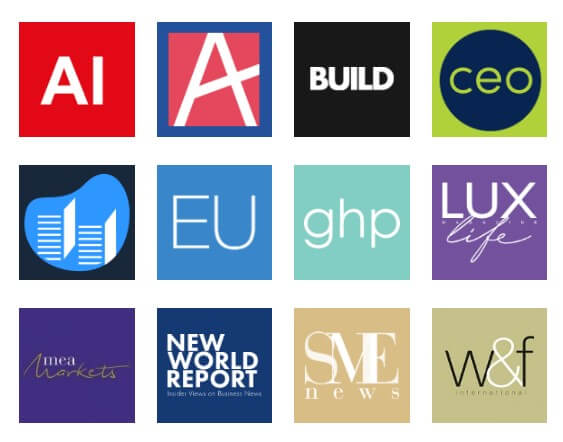
Our 12 brands that accept guest posts are based across a range of industries and regions around the world, covering a range of topics, so you are sure to find a suitable placement for your content, including:
We then have our region-specific brands:
APAC – APAC has more of a focus on The Asian Pacific region including East Asia, Australia, New Zealand, South Asia, and Southeast Asia
EU Business News – Based on content relating to European Countries
MEA Markets – Content specific to the Middle East & Africa
New World Report – Content specific to The United States, Canada, Mexico, South America and The Caribbean
If you would like some more information on these brands you can take a look on BubbleSEO or drop us an email on [email protected].
The next edition of The Ultimate Guide to Guest Posting we will be sharing some tips on content creation and some of our most viewed guest posts!
Grow your business online with content marketing solutions from Bubble SEO today.
Place An Order
Article creation is the process of how articles are started, titled, written and developed, and is a key component to any content marketing.

Content marketing is the creation of information and content and how this can be shared across different formats

Link building is one of the most effective ways to enhance your website’s authority and improve your search engine rankings on Google. It refers to the process of acquiring hyperlinks from other websites to your own. These links act as endorsements, signalling to Google that your site is a trusted and valuable resource. The key is quality over quantity. Links from websites with high domain authority and page authority carry far more weight. They can significantly strengthen your SEO strategy and improve your organic visibility. Today, high-quality backlinks are a core ranking factor in Google’s algorithm—making them crucial to any digital marketing strategy. The SEO Benefits of High-Quality Backlinks There are numerous advantages to building high-quality backlinks: Referral traffic from authoritative sites Improved domain authority and site trustworthiness Faster indexing by search engines like Google Search engines view backlinks as signals of trust and relevance. According to Backlinko, pages with more backlinks tend to rank higher than those without. However, link building must be done strategically. Poor practices can damage your site’s credibility and search performance—something we’ll cover shortly. How Link Building Boosts Brand Authority & Trust Beyond SEO metrics, link building also contributes to brand visibility and credibility. Gaining placements on respected platforms and publications increases your brand’s exposure to new audiences. When potential customers see your brand associated with reputable websites, it strengthens their perception of your legitimacy and authority. In essence, every high-quality backlink reinforces your positioning as a trusted voice within your industry, building long-term trust with both search engines and users alike. Common Link Building Mistakes to Avoid Just as with other aspects of SEO, link building done poorly can have serious consequences. Here are common pitfalls to avoid: Keyword-stuffing anchor text: Your anchor text should feel natural and user-friendly—not overly optimised with keywords. Low-quality or irrelevant links: Links from spammy or irrelevant sites can trigger Google penalties and harm your rankings. Lack of industry relevance: If you’re a marketing agency, ensure your backlinks come from sources within the marketing or business space. Google prioritises topical relevance when assessing link value. For more on ethical link building practices, explore Google’s official link scheme guidelines. Long-Term Gains: Why Consistent Link Building Pays Off Like most elements of SEO, link building is a long-term game. One high-quality link won’t skyrocket your rankings overnight—it requires consistency and strategic execution. In fact, Vazoola reports that over 50% of SEO professionals see measurable results from link building within 3 to 12 months. Consistent link acquisition helps you: Outrank competitors Build sustainable traffic Establish your site as a go-to resource While some businesses may not have the bandwidth to maintain a consistent strategy, those who invest in link building reap clear and lasting benefits. Partnering with Experts: How BubbleSEO Can Help At BubbleSEO, we specialise in link insertion services designed to support your SEO and digital marketing goals. We collaborate with 12 trusted in-house publishing brands across a diverse range of industries—from construction and beauty to finance—ensuring you get backlinks from the most relevant and authoritative sources. We don’t just stop at link building. Our services also include guest posting and content writing, giving your business a well-rounded SEO strategy tailored to your audience. Whether you're new to SEO or looking to scale up your efforts, our expert team is here to support you every step of the way. Final Thoughts: Is Link Building Worth the Investment? In short—absolutely. Link building is one of the most valuable investments you can make for your website’s long-term success. A consistent, strategic approach will strengthen your online visibility, boost brand trust, and drive targeted traffic. While it’s possible to manage link building internally, partnering with experienced SEO professionals like BubbleSEO can help you save time and maximise results. If you're ready to elevate your SEO strategy, get in touch with us today to learn how we can support your growth.

Guest Posting is a practice where individuals or companies contribute articles to other websites or blogs.

Selling online is not getting any easier. Whether you run a small niche store or a large e‑commerce brand, you are competing against marketplaces, big retailers and a long tail of specialist sites. Most of you are targeting the same category and product keywords. Good technical SEO and smart on‑page work will get you part of the way. But if you want to push key pages into genuinely competitive positions, you need backlinks. Quality ones. From real sites. Google makes it very clear in the Google Search Central SEO starter guide that links help it understand which pages deserve to rank. For e‑commerce, those signals can be the difference between a page that sits on page 3 and one that drives sales every single day. In this guide, we will walk through some realistic link building strategies that work particularly well for e‑commerce sites. We will look at products-led digital PR; influencers and creators; improving and promoting category pages; using competitor data to find quick wins; and making the most of seasonal interest You can pick one to start with or combine them into a more complete strategy. 1. Using Product PR To Earn High Authority Links E‑commerce brands have something a lot of businesses would love to have. You have products that people can touch, photograph, review and talk about. That makes you perfect for digital PR. Pitch your products for media coverage Journalists regularly put together gift guides, ‘best-of’ product roundups, seasonal features, and lifestyle and shopping content , and they are always looking for new items to include. You can find relevant opportunities on platforms like Press Loft, JournoLink and ResponseSource. Many PRs and founders also keep an eye on the #journorequest hashtag on X (Twitter) when journalists are sourcing products at short notice. When your product is included in an article, the site will often link back to your product or category page. That is a highly relevant, high intent backlink. If you want to see examples of this in action, have a look at the digital PR content on Search Engine Journal or some of the public relations guides on HubSpot’s marketing blog. They regularly break down campaigns that have driven hundreds of links for brands with fairly simple ideas. Make your products easy to feature Journalists are busy. The more work you do for them, the more likely they are to use your product instead of someone else’s. As a minimum, prepare good quality, high resolution product images; a clear description, including materials and key features; retail price and availability; and a short brand or founder quote for individuals to copy and paste. This is simple, but it truly matters. A journalist choosing between ten similar products will nearly always choose the one with complete, usable information. 2. Build Links Through Influencer and Creator Partnerships Influencer marketing is usually discussed in the context of awareness and social reach. For e‑commerce, it can also be a very direct way to build links, especially if you work with creators who own their own websites. Product reviews that live on blogs, not just social Many creators still maintain blogs, review sites or personal magazines alongside their social channels. When they genuinely like a product, they will often write a full review that includes a contextual link to your homepage or category, one or more links to specific products, and/or images and personal notes that build trust with a key audience. That kind of long form, editorial link is exactly what you want more of in your backlink profile. Research shared on MarketingWeek and in the guides on Backlinko both highlight how creator content can feed into brand discovery and search performance, rather than sitting in its own silo. Long term relationships, not one‑off freebies The strongest links often come from repeat collaborations. If a creator regularly features your brand, you start to build multiple references across different posts, consistent brand mentions, and a more natural link pattern over time. You do not need to work only with big names. Micro influencers can be brilliant partners, especially in specific niches. They tend to have more engaged audiences and are often more open to detailed written reviews. If you want ideas for how to approach outreach and collaboration, the team at Ahrefs share plenty of practical examples on their blog. 3. Turn Your Category Pages Into Resources Worth Linking To For most e‑commerce sites, category pages carry a lot of commercial intent. If you rank well for “women’s hiking boots” or “vegan protein powder”, for example, those visitors are usually ready to buy. The problem is that many category pages are just a grid of products. That is fine for users who already know exactly what they want, but it gives other sites very little reason to link to you. Add content that actually helps people choose You do not need to turn every category into a blog post, but you can build in genuinely useful content around the product listings, such as a short buying guide or quick checklist; size, fit, or material guidance; answers to questions customers regularly ask; and links related to ‘how to’ guides. This helps users make better decisions and gives editors, bloggers and journalists something more substantial to reference when they link. Support category pages with helpful content You can also create articles that sit near your categories in the site structure, then link internally. For example: “How to choose the right running shoes for beginners” linking to your running shoes category “What to pack for a European city break” linking to luggage and travel accessories “Beginner’s guide to skincare ingredients” pointing to your skincare ranges Internal linking is covered in detail in the Moz Learn SEO hub and on the Semrush blog. The key idea is simple. Helpful content attracts links, and those links can then be passed through to your money pages via smart internal linking. 4. Use Competitor Backlink Data To Find Real Opportunities You do not have to guess where to build links. Your competitors are already showing you what works. Work out who you are really competing with in search Your main SEO competitors are the sites that rank where you want to rank. That might be a marketplace, a DTC brand or a specialist blog. Start by searching for a few of your core category and product terms and make a list of the domains that appear again and again. Check where their links are coming from Tools like Ahrefs, Semrush and Moz Link Explorer allow you to plug in a domain and see who is linking to it. When you scan that data for a few key competitors, you will often find gift guides that feature their products; “Top 10” style product roundups; niche blogs that review items in your category; resource pages or directories relevant to your industry; and broken links pointing to old or discontinued product pages. Each one of these is a possible opportunity. If a site has already linked to similar products or brands, there is a reasonable chance they will be open to adding or updating content to feature you too. For a deeper dive into this kind of research, Backlinko’s content on competitor analysis is a good starting point. 5. Use Seasonal Content To Win Timely, Relevant Links Retail runs on seasons. Search behaviour does too. People look for different things at Christmas, during Black Friday, in summer, at the start of the school year and so on. If you plan for that, you can put yourself in a strong position when journalists and creators start looking for products to talk about. Create seasonal pages with a long shelf life Instead of treating every promotion as a one off, consider building seasonal pages you can update each year, such as: Christmas gift ideas by price or recipient Black Friday and Cyber Monday deals Mother’s Day and Father’s Day gift suggestions Summer holiday essentials Back to school checklists If those pages are well structured, genuinely useful and updated regularly, they can pick up links over multiple years rather than losing everything when a sale ends. Watch for journalist requests around key dates Ahead of major events, journalists and freelancers put out a lot of requests for gift ideas, product recommendations, expert quotes, and deal roundups. You can find some of these on Qwoted, SourceBottle and, again, through the #journorequest thread on X. Responding quickly with a clear pitch, strong imagery and a link to your relevant seasonal page gives you a good chance of being included. If you want a more formal steer from Google on building useful content that can be refreshed, their guidance on creating helpful content is worth a read. Final Thoughts Link building for e‑commerce does not need to be mysterious. It is mostly about putting the right content in front of the right people at the right time. If you make your products easy to feature in the press; work with creators who publish proper reviews and guides; turn your category pages into helpful resources; learn from the backlinks your competitors already have; and plan for seasonal demand rather than reacting at the last minute, you will naturally build a stronger backlink profile. Over time, that means better rankings, more trust and more sales.You do not have to do everything at once. Start with the tactic that feels most achievable this quarter, get a simple process in place, then layer in other strategies as you

Backlinks are links are an important factor in SEO as they are a sign of credibility and relevance.

Retail is always one step ahead and that doesn't just the physical stores

In today’s digital world, small businesses face increasing challenges in standing out online. Your content, SEO strategy, and overall online presence play a crucial role in ensuring your business gets noticed. But with so much competition, how do you cut through the noise? Investing in professional content writing services can make all the difference. Here’s how: Boosting SEO with High-Quality Blog Content Blogs are a powerful tool for improving your website’s SEO rankings while providing valuable and engaging content for your audience. According to HubSpot, businesses that blog get 55% more website visitors than those that don’t. Regularly publishing well-written blogs can: Establish your expertise in your industry. Keep your audience informed and engaged. Enhance your website’s authority in search engines. SEO tools like SEMrush can help identify the right keywords and topics to focus on, ensuring your blog content is both relevant and high-performing. Well-crafted blog content doesn’t just attract readers—it builds trust and converts them into loyal customers. Bubble SEO’s content writing services can help you create blog content that delivers real results. SEO-Optimised Product Descriptions for E-Commerce For e-commerce businesses, product descriptions do more than inform customers—they also play a crucial role in SEO. Optimised product descriptions can: Help products rank higher on search engines. Improve user experience with clear, compelling copy. Encourage customers to make informed purchase decisions. A great product description speaks directly to your customer’s needs while naturally incorporating relevant keywords. Professional content writers ensure that your product descriptions are engaging, error-free, and designed to boost visibility and conversions. Repurposing Content for Maximum Impact A strong brand voice requires cohesive and consistent messaging across multiple platforms. Repurposing content allows you to: Reinforce your brand identity. Increase engagement on social media, newsletters, and website pages. Improve your SEO by distributing valuable content across different channels. Additionally, content can be repurposed for email marketing campaigns—one of the most effective digital marketing channels, with an ROI of £42 for every £1 spent in the UK. A well-executed content strategy ensures seamless, impactful campaigns that drive engagement and conversions. 4. Compelling Copy for Paid Ads & PPC Campaigns Paid advertising and pay-per-click (PPC) campaigns rely on strong, persuasive copy. Well-crafted ad content can: Capture attention and increase click-through rates. Convince potential customers to take action. Enhance your return on investment (ROI) for digital ads. Think of your ad copy as your business’s first impression—engaging and persuasive content can be the difference between a missed opportunity and a new customer. Bubble SEO’s team specialises in creating ad copy that converts. 5. Improving Local SEO Rankings If your business operates in a specific location, ranking higher for local search terms is essential. Content writing services can support local SEO efforts by: Creating location-specific blog content. Developing targeted landing pages with optimised copy. Enhancing your Google visibility for searches relevant to your area. According to Google, 46% of all searches have local intent, meaning businesses that optimise for local SEO have a much higher chance of attracting customers in their area. Whether you run a coffee shop, a boutique, or a consultancy, strong local SEO strategies can bring more people to your door—both digitally and physically. Why Content Writing Services Are a Smart Investment As a small business owner, balancing content creation with day-to-day operations can be overwhelming. High-quality, SEO-optimised content isn’t just about ranking higher on Google—it’s about telling your brand’s story, engaging your audience, and turning visitors into customers. By outsourcing content writing, you ensure your online presence remains consistent, professional, and impactful. In a competitive digital world, compelling content isn’t a luxury—it’s a necessity.

How to drive traffic to your guest post?

Content marketing research is an essential marketing technique, specifically looking into what should be involved in

Using content marketing within your business has many benefits.

How to create great guest post content?